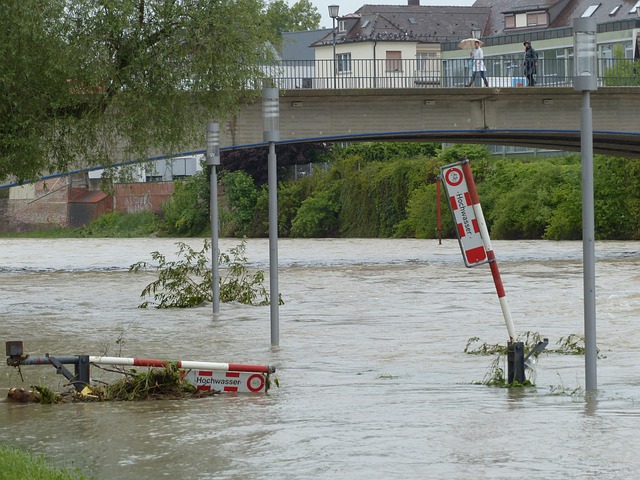
Water damage mitigation is critical for homeowners in flood-prone areas like San Diego, Austin, Corpus Christi, and San Marcos. Key steps include professional extraction with advanced equipment, removing wet items, using fans/dehumidifiers, and proper ventilation to prevent mildew. Natural water damage mitigation employs eco-friendly techniques such as bio-based absorbents, natural enzymes, waterproof membranes, and plant-based sealants, offering sustainable protection while minimizing environmental impact. Health and safety are paramount; immediate extraction and thorough cleaning with non-toxic solutions ensure a safe living environment. Insurance policies should cover water damage to mitigate financial risks.
Water damage is a common yet devastating issue faced by San Diego residents and businesses alike. The rapid onset of floods or leaks can lead to significant structural harm and costly repairs. However, effective water extraction and damage mitigation strategies are available that go beyond traditional methods. By embracing natural solutions, professionals in San Diego can offer more sustainable and environmentally friendly approaches to water damage restoration. This article delves into the expertise required to handle such situations, focusing on organic, non-toxic water damage mitigation techniques as a proactive step towards community resilience and ecological preservation.
- Understanding Water Damage in San Diego Homes
- Natural Mitigation: Eco-Friendly Water Extraction Techniques
- Step-by-Step Guide to Professional Water Removal
- Health & Safety Considerations for Water Damage Restoration
- Preventing Future Water Damage: Long-Term Solutions
Understanding Water Damage in San Diego Homes
Water damage is a common concern for homeowners in San Diego, with its frequent rainfall and occasional flooding events. Understanding water damage mitigation is crucial for residents aiming to protect their properties from potential harm. When water invades your home, whether from heavy rains, pipe leaks, or floodwaters, swift action is essential. Delving into the process of water damage restoration involves several key steps.
The initial focus should be on containing and eliminating the water source. For instance, in cases of pipe leaks, promptly turning off the main water supply can prevent further infiltration. After flooding events, such as those that occurred during recent storms in Arlington, residents must act fast to mitigate the damage. This includes removing wet items, like carpets and furniture, and using fans and dehumidifiers to dry out affected areas. Proper ventilation is vital to prevent the growth of unsightly and harmful mildew, a common post-flooding concern in homes across Texas, including Dallas.
As water damage can lead to structural issues, hidden mold growth, and unpleasant odors, professional intervention is often necessary. Expert flood damage repair services, like those offered by Property Restoration of the Capital Region or specialized firms in Corpus Christi, provide advanced equipment and knowledge to restore homes safely and effectively. These professionals employ state-of-the-art drying techniques, use specialized disinfectants for mildew control after flooding, and repair or replace damaged materials, ensuring a thorough restoration. For example, a study by the Institute of Inspection, Cleaning and Restoration Certification (IICRC) found that professional water damage mitigation reduced restoration time by 25% compared to DIY methods, while also minimizing secondary damages like mold growth.
Restoring from pipe leaks in Dallas or any affected area requires a systematic approach. It involves identifying and fixing the leak, removing damaged materials, sanitizing the space, and repairing or replacing structural elements. Homeowners should remember that natural disaster-related water damage may be covered by insurance policies, providing financial assistance during this challenging time. Efficient water damage mitigation not only protects homes but also ensures the health and safety of those living within them.
Natural Mitigation: Eco-Friendly Water Extraction Techniques

In the realm of water damage mitigation, particularly within urban hubs like San Diego, adopting eco-friendly techniques offers a sustainable approach to recovery. Natural water extraction methods not only minimize environmental impact but also contribute to the overall health and resilience of communities. By prioritizing these strategies, local flood cleanup experts in Fort Worth can enhance their services, ensuring efficient and harmonious restoration processes.
San Diego's diverse landscape presents unique challenges for water damage remediation. However, the region's commitment to environmental stewardship provides a wealth of opportunities for natural mitigation. For instance, using bio-based absorbents like cornstarch or wood fiber to soak up excess moisture can effectively reduce chemical usage. This method, widely employed in restoring water-damaged belongings in Dallas, aligns with the city's green initiatives and promotes safer working conditions for restoration professionals. Moreover, these materials are readily available and biodegradable, making them an ideal solution for remediating flood damage across Texas.
Property Restoration of the Capital Region has pioneered the integration of natural water extraction techniques into their service offerings. By adopting such practices, they not only cater to the growing demand for eco-conscious services but also provide clients with efficient and cost-effective options. For example, using natural enzymes to break down organic matter in contaminated water can be a game-changer when dealing with complex flood scenarios. This approach, coupled with localized expertise, ensures that Texas residents receive tailored care while preserving the region's delicate ecosystem. As environmental awareness continues to evolve, these natural mitigation strategies will undoubtedly play a pivotal role in shaping the future of water damage restoration across San Diego and beyond.
Step-by-Step Guide to Professional Water Removal

Professional water extraction is a critical component of water damage mitigation, especially in complex cases. This step-by-step guide delves into the process, highlighting key considerations for effective and natural water removal. Firstly, assessment is paramount; experts from commercial water mitigation Dallas companies inspect the affected area to identify water sources and extent of damage. This includes identifying hidden moisture that might be tucked away behind walls or beneath flooring, as overlooked water can lead to extensive mold growth and structural damage over time, necessitating professional mold removal Texas services.
Once assessment is complete, the extraction process begins. High-efficiency pumps are strategically placed to draw out standing water. This initial step is crucial for preventing further damage and drying out the space quickly. After primary extraction, secondary methods may be employed, especially in cases of deep or slow-draining moisture. These could involve specialized equipment like air movers and dehumidifiers that accelerate evaporation and ensure complete water damage restoration.
Throughout the process, local flood cleanup experts Fort Worth prioritize natural, eco-friendly solutions whenever possible. For instance, using absorbent materials like clay or silica gel to absorb residual moisture is a common practice. This approach not only expedites drying but also aligns with the growing preference for green cleaning methods in property restoration, particularly in the Capital Region where Property Restoration of the Capital Region operates. It's important to note that proper ventilation and the use of HEPA filters are essential to remove any remaining humidity and airborne contaminants, ensuring a healthier environment post-restoration.
Health & Safety Considerations for Water Damage Restoration

In the world of water damage mitigation, particularly in areas like San Diego, health and safety considerations are paramount. When dealing with water damage, whether from floods, leaks, or other sources, professionals must prioritize the well-being of both occupants and themselves. This involves not just removing water but also addressing the underlying issues that can lead to problems like mildew growth, a significant concern in regions like Texas. Mildew prevention is crucial as it can cause respiratory issues and exacerbate allergies, especially for those already sensitive to such conditions.
A comprehensive approach starts with immediate water extraction using advanced equipment tailored for professional use. This process not only stops the source of moisture intrusion but also minimizes damage to valuables and structures. For instance, a damp basement in San Marcos might require specialized techniques to ensure the area is thoroughly dried, preventing long-term issues like mold colonization. Property Restoration of the Capital Region emphasizes that quick action is key; within 24-48 hours after water ingress, visible signs of mold can appear, necessitating professional intervention.
Following extraction, a thorough cleaning and sanitization are imperative. This includes using non-toxic, environmentally friendly solutions to kill any existing molds and bacteria. Water damage cleanup near me in Austin has seen the rise of natural mitigation methods, leveraging substances like baking soda, vinegar, and essential oils for their antimicrobial properties. While these can be effective as part of a broader strategy, professionals should assess each case individually, considering factors such as water contamination levels, structural integrity, and specific health concerns. A holistic approach that combines technology with natural solutions offers the best protection for both property and health.
Preventing Future Water Damage: Long-Term Solutions

Preventing future water damage is a crucial aspect of home ownership, especially in areas prone to flooding like Corpus Christi and San Marcos, Texas. While immediate water damage repair and restoration are vital after an incident, implementing long-term strategies can significantly reduce the risk and impact of water-related disasters. One effective approach is natural water damage mitigation, which involves utilizing environmentally friendly methods to protect properties. By embracing these sustainable solutions, residents can minimize potential losses and create a more resilient living environment.
For instance, homeowners in San Diego can enhance their defenses against water damage by adopting simple yet powerful techniques. Installing waterproof membranes on basement walls and floors is an excellent preventive measure. These membranes act as a barrier, repelling moisture and preventing seepage. Additionally, using natural sealants derived from plant-based materials to treat wooden structures can offer protection against both water absorption and insect infestation. Such proactive steps are especially beneficial in regions like San Marcos, where occasional flooding events can disrupt homes and communities.
Furthermore, property owners should consider investing in efficient drainage systems and regular maintenance. Properly designed landscapes that slope away from buildings help divert rainwater, reducing the chances of water pooling around foundations. Regular inspection and cleaning of gutters and downspouts ensure optimal water flow, preventing clogs that could lead to roof leaks or basement flooding. In fact, according to a study by the National Weather Service, proper drainage systems can reduce the risk of flood damage by up to 50%. This underscores the importance of proactive measures in safeguarding homes, especially when combined with the expertise of water damage repair specialists like those offered by Property Restoration of the Capital Region.
Regularly reviewing and updating home insurance policies is another strategic move. Ensuring coverage for both water damage mitigation and flood remediation is essential, as these events can cause significant financial losses. By combining robust protection measures, expert interventions, and adequate insurance, residents across Texas can navigate water-related challenges with greater confidence, knowing their homes are better equipped to withstand the elements.
Through a comprehensive exploration of water damage in San Diego homes, this article has illuminated the significance of swift and effective mitigation. Key insights include the adoption of natural, eco-friendly water extraction techniques for water damage mitigation naturally, as well as the importance of professional guidance for optimal results. The step-by-step guide highlights practical actions for professional water removal, while health and safety considerations underscore the necessity of prioritizing well-being during restoration. Preventative measures, focusing on long-term solutions, offer valuable tools to minimize future water damage. By synthesizing these key points, readers are equipped with the knowledge to address water damage effectively, ensuring the preservation of their San Diego properties and promoting environmentally conscious restoration practices.