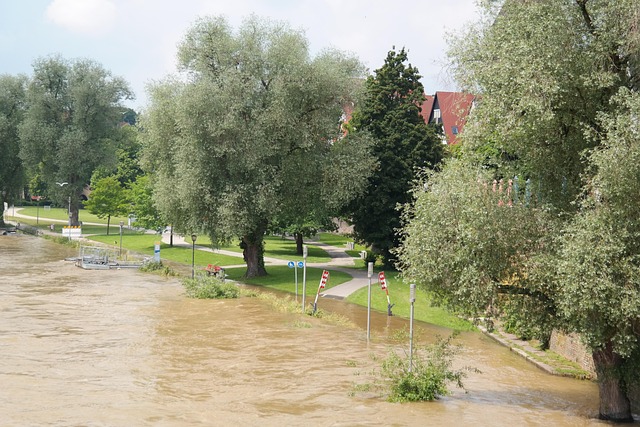







In the dynamic city of Atlanta, the unexpected can happen at any time, bringing with it challenges like sudden floods that can disrupt lives and damage properties. Prompt and effective 24/7 flood cleanup is paramount to minimize water damage and mitigate potential health risks. Water damage, if not addressed swiftly, can lead to extensive restoration needs, necessitating professional intervention. This article delves into the critical aspects of 24/7 flood cleanup services in Atlanta, focusing on sustainable and efficient water damage mitigation naturally, ensuring properties are restored to their pre-loss condition with minimal environmental impact.
- Identifying Signs of Water Damage in Atlanta Homes
- Natural Water Mitigation Techniques for 24/7 Cleanup
- Restoring Your Property: A Step-by-Step Guide Post-Flood
Identifying Signs of Water Damage in Atlanta Homes
Recognizing water damage early is crucial for effective Atlanta flood cleanup. While some signs are obvious, like visible water lines or flooded areas, others may be more subtle. A musty odor, for example, could indicate mold growth behind walls or in basements—a common issue after floodwater enters homes. In the absence of overt flooding, pay attention to persistent dampness or elevated humidity levels. Water damage can also manifest as warped flooring, bubbling paint, or discolored drywall, all potential indicators that moisture has penetrated your home’s structure.
In a city like Atlanta with varying weather patterns, including heavy rainfall and occasional storms, prompt action is essential. Ignoring these signs could lead to severe consequences, such as the growth of harmful mold, structural damage, and even health issues for residents. Homeowners in areas prone to flooding, like those near bodies of water or in low-lying regions, should be especially vigilant.
When concerns arise, contacting a professional restoration service is advisable. For instance, companies specializing in water damage restoration Houston, Austin, and San Marcos have the expertise needed to assess and mitigate damage effectively. Property Restoration of the Capital Region, for example, offers 24/7 emergency response and utilizes advanced equipment for efficient water extraction and drying, ensuring minimal disruption and reduced risk of long-term damage. This is particularly important in addressing complex cases where water has infiltrated hidden spaces or affected electrical systems.
Remember, early intervention through proper water damage mitigation naturally plays a pivotal role in preventing costly repairs and ensuring a healthier living environment. Don’t underestimate the power of vigilance—act swiftly if you suspect any water-related issues within your Atlanta home.
Natural Water Mitigation Techniques for 24/7 Cleanup
In the aftermath of a flood event, especially in Houston where heavy rains are frequent, natural water damage mitigation techniques play a crucial role in effective 24/7 cleanup and recovery. Beyond traditional methods, leveraging nature’s resources can significantly enhance restoration efforts and prevent long-term issues like mildew growth, a common concern in Texas’ humid climate. For instance, using environmentally friendly, non-toxic cleaning agents derived from natural ingredients can effectively eliminate contaminants while minimizing environmental impact.
One powerful technique is the strategic application of absorbents like baking soda and vermiculite to draw out moisture and dry out affected areas swiftly. This method not only accelerates the drying process but also neutralizes odors, preventing the growth of mold and mildew. Additionally, using fans with HEPA filters and dehumidifiers can facilitate air circulation, further expediting evaporation rates. These natural approaches are particularly beneficial in areas like the Capital Region where property restoration services often face the challenge of balancing swift cleanup with ecological preservation.
Moreover, employing natural insulation materials during the rebuilding process can help regulate temperature and humidity levels, deterring mold growth. Materials such as bamboo, hemp, or wool offer excellent insulatory properties while being sustainable alternatives to traditional synthetic options. By integrating these water damage mitigation naturally techniques into recovery efforts, Houston residents can ensure not only effective cleanup but also a healthier and more eco-friendly living environment post-flood event.
Restoring Your Property: A Step-by-Step Guide Post-Flood
After a flood, restoring your property requires careful, systematic steps to mitigate water damage and ensure a complete recovery. This process is crucial, especially in Atlanta, where heavy rain events can cause significant water intrusion. Water damage mitigation naturally starts with containing and removing standing water as quickly as possible to prevent mold growth and secondary damage. For commercial properties in Dallas, immediate action is key; the longer water sits, the higher the risk of irreversible damage to structures and contents.
The first step is to assess the extent of the water intrusion. Inspect for pipe leaks or broken water lines, which can be common sources of heavy water damage, as seen during Houston’s recent heavy rain events. Once identified, these issues should be addressed promptly by professionals specializing in commercial water mitigation Dallas services. Next, move to higher ground and secure valuable items; this includes relocating furniture and personal belongings to avoid direct contact with water. It’s important to remember that even if water appears clean, it can still harbor harmful bacteria and contaminants, so protective gear is essential during the cleanup process.
After the initial containment, professional restoration services should be engaged for efficient water extraction and drying. This step involves using advanced equipment like industrial dehumidifiers and air movers to expedite the drying process. Property Restoration of the Capital Region offers 24/7 emergency response teams trained in handling all types of water damage, from minor leaks to catastrophic floods. They employ state-of-the-art technology to monitor moisture levels, ensuring every inch of your property is thoroughly dried. This meticulous approach is vital to preventing mold growth and structural damage, a common issue in the humid Atlanta climate. Finally, once the property is dry, a restoration specialist can begin the repair process, restoring your space to its pre-flood condition.
In addressing water damage mitigation naturally in Atlanta homes, this comprehensive guide has equipped readers with essential tools to identify early signs of water intrusion, understand time-sensitive natural mitigation techniques, and follow a systematic post-flood restoration process. Key insights include the importance of swift action—especially within 48 hours—to minimize water damage and mold growth through effective ventilation, extraction, and drying methods. By embracing natural mitigation strategies, homeowners can not only restore their properties but also contribute to a more eco-friendly and sustainable approach to disaster recovery. Moving forward, prioritizing these steps will ensure better preservation of homes, reduce environmental impact, and foster resilience in the face of Atlanta’s frequent flooding events.
1. Early Detection: Recognize subtle water damage signs like musty odors, persistent dampness, or warped flooring, acting swiftly to mitigate mold and structural issues.
2. Vigilance in Atlanta: Prompt action is crucial in Atlanta’s weather-prone areas to prevent health risks and costly repairs.
3. Professional Help: Contact restoration services specializing in water damage mitigation, especially in complex cases, for 24/7 emergency response and advanced equipment.
4. Natural Techniques: Utilize eco-friendly cleaning agents, absorbents like baking soda, and natural insulation materials to enhance water damage mitigation naturally and promote ecological preservation.
5. Systematic Approach: After initial containment, assess, secure items, don protective gear, and engage professional restoration services for efficient water extraction and drying.
6. Comprehensive Restoration: Once dry, repair and restore properties, focusing on preventing mold and structural damage in humid climates.