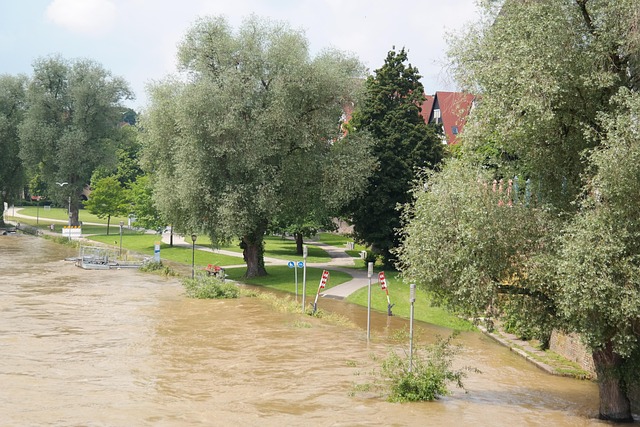
Denver and Houston face severe flooding, requiring multifaceted water damage mitigation. Key strategies include enhanced drainage systems, natural absorption with native plants and rain gardens, rapid professional response for mold prevention, regular inspections, and adequate insurance. Initial post-flood steps involve turning off water, assessing damage, and quick drying using natural methods. Severe cases necessitate specialized teams for thorough restoration within 24–48 hours. Long-term solutions focus on waterproof barriers and drainage improvements to prevent future disasters. Natural techniques combined with expert intervention ensure comprehensive water damage mitigation.
In the vibrant yet unpredictable landscape of Denver, rapid weather changes can bring sudden flash floods, posing significant challenges to residents and property owners. Same-day flood remediation is a critical service that ensures minimal water damage mitigation naturally, preserving homes and businesses alike from the costly and destructive impacts of these natural disasters. This authoritative article delves into the intricate world of emergency flood response in Denver, offering valuable insights into effective strategies for navigating these crises and restoring affected areas swiftly. By exploring cutting-edge techniques and best practices, we empower residents with the knowledge to protect their investments and mitigate water damage efficiently.
- Understanding Denver's Flooding Patterns and Preparedness
- Immediate Actions for Effective Water Damage Mitigation Naturally
- Long-Term Solutions: Restoring Your Home After Flooding in Denver
Understanding Denver's Flooding Patterns and Preparedness
Denver's unpredictable weather patterns have historically made it susceptible to severe flooding events, often leaving residents grappling with extensive water damage. Understanding these patterns is a crucial step in preparing for and mitigating potential disasters. The city experiences flash floods during intense thunderstorms, which can rapidly transform small streams into raging torrents, causing significant disruption. Moreover, the spring and fall seasons are particularly vulnerable, as warmer temperatures accelerate snowmelt, leading to increased river levels.
Recognizing these recurring trends is only part of the solution. Homeowners and businesses alike must employ natural water damage mitigation strategies tailored to Denver's environment. One effective approach is to enhance drainage systems and ensure proper grading around structures. Simple adjustments like installing downspout extensions and directing stormwater away from foundations can significantly reduce the risk of basement flooding. Additionally, using native plants and creating rain gardens helps absorb excess water naturally, preventing erosion and minimizing runoff.
In the event of a flood, rapid response is key to minimizing damage. Professional water damage repair specialists, such as those offered by Property Restoration of the Capital Region, play a vital role in restoring homes and businesses. Their expertise lies in not just removing standing water and drying out affected areas but also preventing costly mildew growth, a common consequence of prolonged moisture in Fort Worth and Corpus Christi. Specializing in dry out services, these professionals employ advanced equipment to ensure every corner is thoroughly dried, mitigating the risk of mold and its associated health risks.
Preparation and proactive measures are essential in Denver's flood-prone areas. Homeowners should regularly inspect and maintain their properties, ensuring adequate insurance coverage for water damage. By combining natural mitigation techniques with professional restoration services, residents can better navigate the challenges posed by flooding and protect their investments.
Immediate Actions for Effective Water Damage Mitigation Naturally
In the immediate aftermath of a flood event, whether it's due to a pipe burst or heavy rainfall like those experienced in Houston, effective water damage mitigation is crucial for both property preservation and public health. The first 24–48 hours are critical for minimizing structural damage and preventing the growth of mold, which can be particularly prevalent in humid climates. Property owners should begin by turning off the main water supply to avoid further ingression of water. Then, they must assess the extent of the damage, prioritizing tasks based on urgency: addressing leaks, removing standing water, and drying affected areas as quickly as possible.
Natural methods for water damage mitigation include using fans, dehumidifiers, and sunlight to expedite drying processes. These strategies not only reduce physical harm but also lower the risk of mold colonization. For instance, a study by the Environmental Protection Agency (EPA) found that proper ventilation and dehumidification can significantly decrease mold levels in flooded buildings. Additionally, using natural cleaning solutions like vinegar or baking soda for sanitization is an eco-friendly alternative to chemical-laden products.
Once initial mitigation efforts are underway, it's essential to consider professional assistance for severe cases. In Houston or other areas prone to flood events, expert teams like Property Restoration of the Capital Region specialize in recovering from such disasters. They employ advanced equipment and techniques, including specialized drying methods and mold removal processes that adhere to industry standards. These professionals ensure thorough restoration, restoring not just structures but also peace of mind for homeowners.
Moreover, when dealing with pipe bursts or other water-related incidents, prompt action is key. The faster you address the issue, the less damage will occur. For instance, a quick response can prevent structural weakening or permanent damage to valuable belongings. Remember that recovering from a flood event in Houston or any region requires a multi-step approach—from initial mitigation to professional restoration—to ensure the safety and integrity of your property.
Long-Term Solutions: Restoring Your Home After Flooding in Denver
After a flood, many Denver residents face the daunting task of restoring their homes. While immediate response is crucial for water damage mitigation, long-term solutions are equally vital to prevent future water-related disasters. The key lies in understanding the root causes and implementing natural, sustainable strategies for water damage restoration.
One common source of flooding in Denver is pipe leaks, which can lead to significant water damage. Homeowners should address these issues promptly by contacting reliable water damage restoration experts like those found in San Marcos or Dallas. Professional services offer advanced dry out techniques essential for mitigating mold growth and structural damage. In fact, according to a study by the Insurance Institute for Business & Home Safety, proper water extraction within 48 hours can reduce repair costs by up to 30%.
Beyond immediate mitigation, focusing on long-term solutions ensures your home is better equipped to handle future flooding events. This includes implementing waterproof barriers around pipes and foundations, as well as improving drainage systems around your property. Property Restoration of the Capital Region, for instance, has successfully helped many Denver homes through comprehensive water damage restoration projects, emphasizing both short-term recovery and sustainable prevention strategies. By combining natural solutions with expert intervention, homeowners can restore their properties effectively and minimize future risks.
By understanding Denver's unique flooding patterns and taking proactive steps, residents can significantly mitigate water damage naturally. Immediate actions, such as turning off utilities and moving valuables to higher grounds, are crucial for minimizing initial harm. Long-term solutions involve home improvements like better drainage systems and waterproof barriers, ensuring Denver's resilience against future floods. These comprehensive strategies not only protect homes but also foster a more sustainable and adaptable community. This article equips readers with the knowledge to effectively navigate water damage mitigation naturally, positioning them as prepared and informed guardians of their properties in this dynamic urban environment.