Water damage mitigation is crucial for Dallas homeowners due to diverse climates. Natural solutions, combining prompt action and eco-friendly methods, preserve home integrity and health. Professional restoration teams use advanced tools and techniques for hidden moisture detection, drying, and mold removal. In cities like Austin, addressing damp basement issues through improved ventilation, desiccant materials, and sealing entry points reduces humidity levels. Engaging reputable specialists in Arlington and Houston offers cost-effective, green water damage restoration. Restoring homes involves systematic steps: assess, turn off water supply, clean belongings, dry thoroughly, conduct repairs with moisture-resistant materials. "Water damage mitigation naturally" gains popularity for its environmental benefits.
Water damage restoration is a critical service in Dallas, where rapid and efficient response can save homes and businesses from substantial financial losses. The city's frequent rainfall and potential for severe storms highlight the need for effective water damage mitigation strategies. Unaddressed water intrusion can lead to mold growth, structural deterioration, and health risks—all of which require specialized knowledge to rectify. This article delves into the intricacies of local water damage restoration, focusing on natural approaches to mitigate these challenges effectively. By exploring evidence-based methods, we aim to empower property owners and managers with valuable insights for navigating this complex issue.
- Understanding Water Damage in Dallas Homes
- Immediate Actions After Flooding Occurs
- The Role of Professional Restoration Teams
- Natural Solutions for Water Damage Mitigation
- Restoring Your Property: Step-by-Step Guide
Understanding Water Damage in Dallas Homes
Water damage is a common yet devastating issue for homeowners across Dallas, presenting unique challenges due to the city's varying climates and geographical features. Understanding water damage mitigation is crucial for property owners, as swift action can significantly prevent extensive repairs and costly renovations. In this context, natural solutions play a vital role in preserving the integrity of homes while ensuring a healthier environment. For instance, addressing issues like pipe leaks or damp basements through eco-friendly methods not only reduces structural damage but also minimizes exposure to mold, a common byproduct of water intrusion.
Mold removal services Dallas have become increasingly sought after, as studies show that up to 50% of homes may experience significant water damage and subsequent mold growth. Property Restoration of the Capital Region emphasizes the importance of immediate intervention to mitigate these risks. Professionals in this field employ advanced techniques to locate hidden moisture sources, utilizing infrared cameras and humidity sensors to pinpoint problem areas. Restoring from pipe leaks Dallas requires specialized knowledge, as these incidents can lead to substantial water damage within hours if left untreated.
Damp basement mitigation Austin is another critical aspect that deserves attention. Basements are particularly vulnerable to water seepage due to the region's high precipitation rates and heavy rainfall events. Homeowners should be proactive in addressing any signs of moisture accumulation, such as musty odors or visible water stains. Implementing natural solutions like improving ventilation, using desiccant materials, and sealing entry points can effectively reduce humidity levels and prevent long-term damage. By combining these strategies with prompt professional assistance when necessary, Dallas residents can ensure their homes remain safe, dry, and comfortable throughout the year.
Immediate Actions After Flooding Occurs
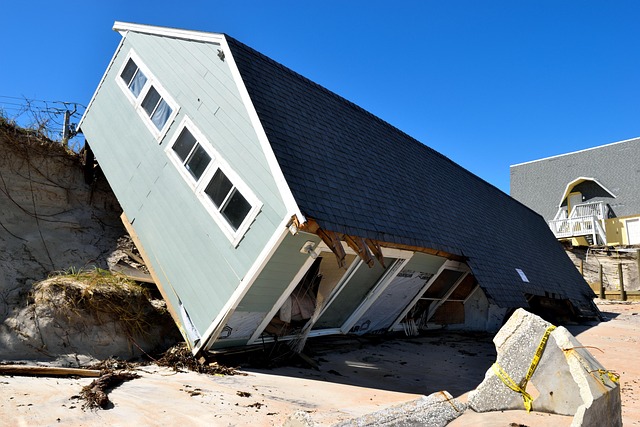
When flooding strikes, immediate action is crucial for minimizing water damage and preventing costly repairs. Homeowners in Dallas, San Antonio, Fort Worth, or Arlington should understand that water damage mitigation begins within the first few hours after a flood occurs. The primary goal is to stop the water source, prevent further infiltration, and start the drying process to mitigate mold growth.
One of the initial steps is to turn off the main power supply to avoid electrical hazards. Once safe, it's essential to remove standing water as quickly as possible using buckets or pumps. In cases of severe flooding, professional water damage repair services in Arlington, like Property Restoration of the Capital Region, can deploy advanced equipment for faster extraction. After the initial floodwater is removed, focus on drying out affected areas, especially in basements and crawl spaces. Proper ventilation and dehumidification are key to drying out a flooded basement effectively and preventing mold growth, which can be a significant health risk.
While water damage mitigation naturally involves removing visible water, it's equally important to address potential hidden moisture sources. Water can seep into walls, under flooring, or behind drywall, leading to extensive structural damage if left untreated. Professionals use specialized tools like moisture meters and thermal imaging cameras to identify these hidden hotspots. This proactive approach ensures that every trace of water is eliminated, preventing future issues like mold growth in Fort Worth or structural deterioration in San Antonio.
Remember, timely action is critical. According to industry studies, prompt mitigation can reduce the cost of repairs by up to 50% and significantly lower the risk of long-term damage or health complications associated with mold exposure. Therefore, homeowners should not delay in seeking professional assistance for water damage restoration, ensuring their homes are restored safely and effectively.
The Role of Professional Restoration Teams
Water damage can wreak havoc on homes and businesses across Dallas, often requiring swift and expert intervention to mitigate the damage and prevent further complications. This is where professional restoration teams play a pivotal role in safeguarding properties and restoring them to their pre-loss condition. In the aftermath of water intrusions, whether from pipe leaks, storms, or other sources, these specialized teams offer invaluable services that go beyond mere cleanup.
The primary focus for any professional water damage restoration team is effective water damage mitigation naturally, ensuring that the affected areas are dried thoroughly and safely. This process involves advanced equipment like dehumidifiers and air movers to expedite drying, which is crucial in preventing mold growth—a common secondary hazard associated with water damage. For instance, a recent study by the Environmental Protection Agency (EPA) highlighted that prompt water removal and drying can significantly reduce the risk of mold development, especially in areas with high humidity levels like Fort Worth.
Moreover, professional restoration services extend to the reconstruction phase, addressing structural repairs, replacement of damaged items, and even odor removal to restore a sense of normalcy. In Arlington, where property damage claims from water events are not uncommon, expert restorers have honed their skills in dealing with various scenarios, from minor pipe leaks to catastrophic flooding. They employ scientific methods and state-of-the-art technology, such as moisture meters and thermal imaging cameras, to accurately assess the extent of damage and tailor restoration plans accordingly.
When it comes to restoring properties affected by water damage, engaging the services of a reputable team like Property Restoration of the Capital Region can make all the difference. Their expertise lies in not just fixing the immediate issue but also ensuring long-term solutions, including mildew growth prevention, to safeguard homes and businesses across Dallas, Fort Worth, and Arlington. By prioritizing swift action and professional restoration techniques, these teams contribute to a quicker return to normalcy for affected individuals and businesses.
Natural Solutions for Water Damage Mitigation
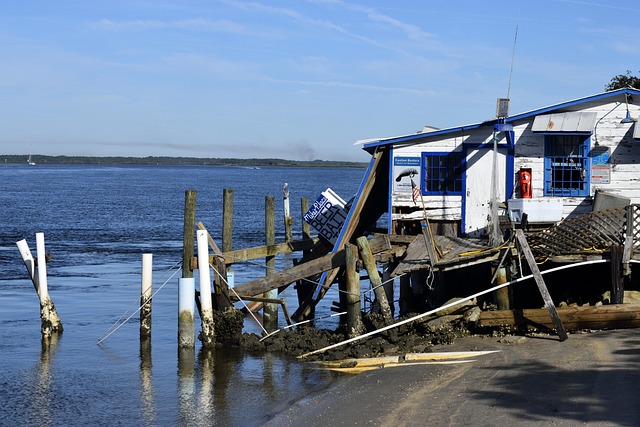
Water damage is a common issue faced by many homeowners, but what if there were natural solutions to mitigate this problem? In the heart of Texas, cities like Dallas, Arlington, Houston, and Austin have seen their fair share of water-related disasters, from heavy rains to flooding. Traditional methods of water damage restoration often involve harsh chemicals and extensive rebuilding—but property owners now have a greener alternative.
Natural solutions for water damage mitigation focus on using eco-friendly products and techniques that not only restore properties but also preserve the environment. For instance, instead of relying on toxic cleaners, local water damage specialists in Arlington and Houston employ enzymes and bacteria to break down organic matter and deodorize affected areas. These biological agents are safe for both people and pets, making them a preferred choice for homeowners concerned about health and sustainability. Furthermore, using natural methods can significantly reduce the carbon footprint associated with water damage restoration.
Consider a case study in Austin where a damp basement was transformed into a dry, comfortable living space through natural mitigation techniques. Property Restoration of the Capital Region utilized a combination of dehumidifiers, air purifiers, and natural insulation materials to remove moisture and improve indoor air quality. This approach not only saved the client substantial costs compared to traditional restoration methods but also ensured a healthier living environment. Data from the Environmental Protection Agency (EPA) supports these benefits, highlighting that using green cleaning products can reduce volatile organic compounds (VOCs), leading to better air quality and fewer health risks.
When facing water damage, property owners in these Texas cities should explore natural solutions first. Not only do they promote environmental stewardship, but they also offer cost-effective, efficient, and safe restoration options. By partnering with local experts who specialize in green restoration techniques, homeowners can achieve thorough water damage mitigation while preserving the integrity of their homes and contributing to a more sustainable community.
Restoring Your Property: Step-by-Step Guide
Restoring your property after water damage can be a daunting task, but with a systematic approach, it is achievable. This step-by-step guide will help you navigate the process of restoring your Dallas home, focusing on water damage mitigation and returning your space to its pre-loss condition naturally.
First, assess the extent of the damage. Check for any visible signs of water intrusion, such as mold or mildew growth, especially in common problem areas like basements, attics, and bathrooms. If you're dealing with a damp basement in San Marcos, for instance, quickly address the source of moisture to prevent further issues. Next, document everything through photography to assist in insurance claims.
Once the initial assessment is complete, it's time to take action. Begin by turning off the main water supply to prevent any additional leakage and remove as much standing water as possible. Use absorbent materials like towels or mops to dry out affected areas, focusing on high-priority items like electronics and important documents. For restoring water-damaged belongings in Dallas, consider natural methods; white vinegar can be used as a mild cleaning agent, effectively removing odors without harsh chemicals.
The next critical step is drying and dehumidifying. Use fans, air movers, or dehumidifiers to expedite the process. Ensure proper ventilation throughout your home, especially in enclosed spaces like cabinets or crawl spaces. Proper drying prevents mold growth and structural damage, which can be a significant concern with water damage. In cases of severe flooding, professional water damage restoration companies like Property Restoration of the Capital Region can provide advanced equipment for efficient drying and extraction.
Finally, after your property is dry, address any necessary repairs or renovations. This might involve replacing damaged flooring, drywall, or furniture. Ensure that all materials used are suitable for a moisture-prone environment to prevent future damage. For instance, consider using water-resistant finishes and appliances in affected areas.
By understanding the intricacies of water damage in Dallas homes, taking immediate action upon flooding, utilizing professional restoration teams for specialized assistance, and embracing natural solutions for water damage mitigation, homeowners can effectively navigate this challenging situation. The step-by-step guide outlined in this article equips readers with practical knowledge to restore their properties efficiently. Key takeaways include the importance of quick response times, the value of professional expertise, and the benefits of adopting natural methods for water damage mitigation, such as utilizing absorbent materials, promoting air circulation, and employing eco-friendly cleaning agents. Armed with these insights, homeowners are better prepared to tackle water damage head-on, ensuring their properties are restored to their pre-loss condition in a manner that is both effective and sustainable.